Table of contents
- Characteristics of the Breed
- Origins and breed history
- What does the Boxer look like?
- What is the Boxer’s temperament?
- Is the Boxer suited to your lifestyle?
- How should you train a Boxer?
- What diet is best for a Boxer?
- What health issues affect the Boxer?
- How do you care for a Boxer daily?
- What activities are ideal for a Boxer?
- Who is the Boxer best suited for?
- Frequently asked questions
Characteristics of the Breed
| Boxer: Characteristics | ||
|---|---|---|
| Origin | Germany | |
| Size | Large | |
| Coat type | Short | |
| Average lifespan | 10–12 years | |
| Hypoallergenic | No | |
| Boxer: Measurements | ||
| Female | Male | |
| Weight | 25–29 kg | 27–32 kg |
| Height | 53–60 cm | 57–63 cm |
Origins and breed history
The Boxer originated in Germany, where it was developed in the late 19th century from molosser-type dogs. Initially used for hunting and guarding, it was later bred into a versatile working and companion dog. Thanks to its intelligence and loyalty, it was also employed as a military and service dog. Over time, the Boxer became one of the most popular family dogs worldwide.
What does the Boxer look like?
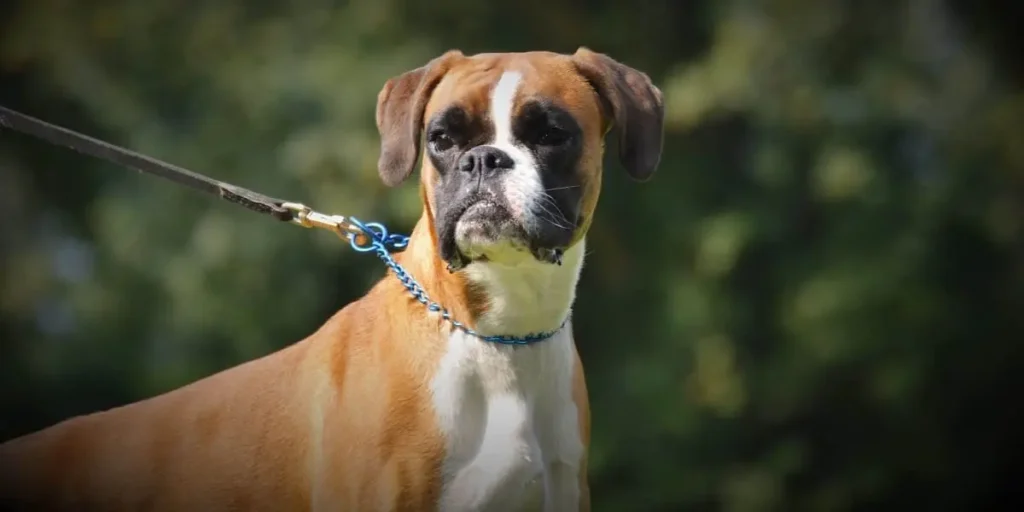
The Boxer is a medium to large-sized dog, powerful and athletic. It typically stands between 53 and 63 cm at the shoulder and weighs between 25 and 32 kg. Its build is muscular and well balanced, with a broad chest. The coat is short, smooth, and glossy. The most common colors are fawn and brindle, often with white markings. Average life expectancy ranges from 10 to 12 years.
What is the Boxer’s temperament?
The Boxer has a joyful, affectionate temperament and is very close to its family. Known for its playful nature, it often retains puppy-like behavior well into adulthood. Deeply attached to its owners, it enjoys interaction and is generally patient with children. Intelligent and enthusiastic, it likes to learn and take part in activities. Naturally protective, it remains sociable when properly socialized from an early age.
Is the Boxer suited to your lifestyle?
The Boxer is best suited to active households that can provide time and attention. It can live in an apartment or a house as long as it gets regular outings. This breed does not tolerate prolonged solitude well and needs daily interaction. Its energy level and need for human closeness make it ideal for dynamic families. It is not suited to a very sedentary or unavailable lifestyle.
How should you train a Boxer?
Boxer training should start early and be consistent and positive. Intelligent but sometimes exuberant, it needs clear rules to channel its energy. Reward-based and play-oriented methods are particularly effective. Early socialization is essential to encourage balanced behavior. Training sessions should be regular and fun to keep motivation high. Well-guided training results in an obedient and pleasant companion.
What diet is best for a Boxer?
The Boxer requires a balanced, high-quality diet suited to its size and activity level. Premium kibble for medium to large breeds is generally recommended. Portions should be adjusted to maintain a healthy weight and good muscle tone. A puppy’s diet should support steady growth, while an adult’s diet should maintain energy levels and overall health.
What health issues affect the Boxer?
The Boxer may be prone to certain health issues, including heart, joint, or digestive disorders. Its physical structure also makes it sensitive to heat, which it tolerates poorly. Regular veterinary checkups are essential for early detection. Maintaining a healthy weight, balanced nutrition, and moderate exercise helps support long-term health and well-being.
How do you care for a Boxer daily?
Daily care of the Boxer is simple thanks to its short coat. Weekly brushing is enough to remove dead hair and keep the coat healthy. Baths should remain occasional. Ears, teeth, and nails should be checked regularly. Facial wrinkles should be cleaned frequently. Proper basic hygiene contributes to comfort and helps prevent skin or dental issues.
What activities are ideal for a Boxer?
The Boxer needs regular activity to burn off energy. Daily walks, active play, and training exercises are ideal. It enjoys activities that strengthen the bond with its owner. While playful and athletic, overly intense exercise should be avoided, especially in hot weather. Balanced physical and mental stimulation is essential for its well-being.
Who is the Boxer best suited for?
The Boxer is ideal for active families or individuals looking for an affectionate, playful, and people-oriented dog. It suits households that can provide time, exercise, and regular presence. This breed is perfect for those seeking a dynamic and loyal companion. It is less suitable for people who are often away or who want a very calm, low-interaction dog.
Frequently asked questions
Yes, Boxers are known for being playful, affectionate, and very loyal, making them excellent family dogs. They are especially good with children.
No, Boxers are not inherently aggressive or dangerous. With proper training and socialization, they are friendly, confident, and well-balanced dogs.
Yes, Boxers can be prone to certain health issues, including heart conditions and breathing problems due to their short muzzle. Regular veterinary care is important.
- Sources:
- wikipedia.org
- akc.org